The Radical Independence of Direct Market Subsidy
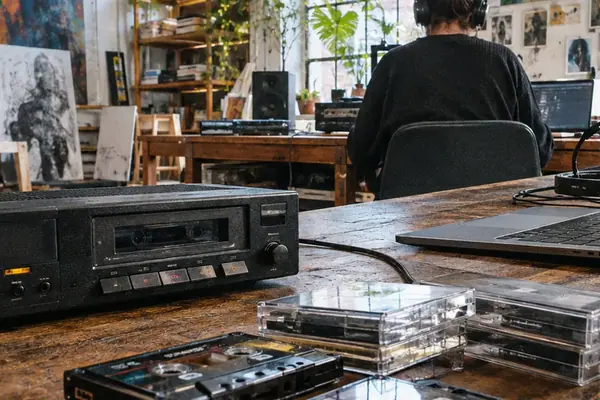
An abrasive sound installation can occupy an entire exhibition floor while offering little prospect of a sale. Its value lies in the encounter: a visitor crosses the room, hears the work change, and becomes aware of the space itself. For a small experimental venue, protecting that kind of programming requires money that arrives when the work needs to be built.
In the funding scenario considered here, a curatorial team found that municipal grant schedules were shaping exhibition schedules. Proposals had to be legible well before installation, while payments arrived long after applications. The pressure favored visual art that could be described and budgeted in advance over the difficult sound work the team wanted to present. A weekend clearance of inventory from an adjoining private studio offered a different source of liquidity: direct sales could pay for an exhibition without asking the exhibition to become commercially appealing.
The private studio sold objects; the public gallery could take risks. That distinction makes the arrangement more than an emergency fundraiser. It gives curators control over when to commission, install, and open a work. Grants may still support ambitious projects, and the National Endowment for the Arts publishes data useful when examining the volatility of public arts funding. Yet a sale settled in time to buy materials has a practical force that a pending award cannot supply.
Cash Flow Mechanics Behind the Adjoining Doors
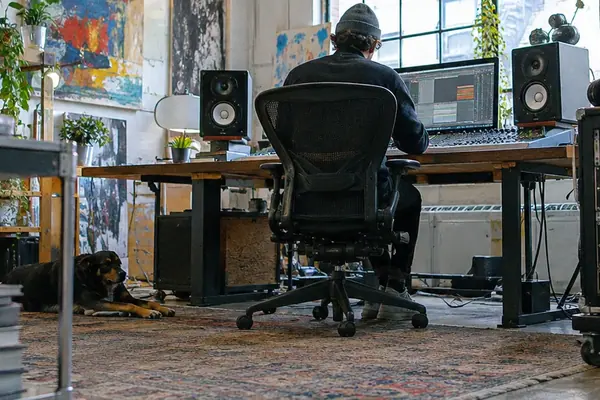
The relationship is easiest to understand as adjoining spaces with different jobs. In the studio, a buyer selects a canvas, receives a commercial bill of sale, and pays the artist. Next door, an installation may require lumber, cable, speakers, or a heated room before any audience can enter. A documented transfer from the artist’s proceeds covers part of those gallery costs. The purchase remains a purchase; the subsequent support for the gallery is a separate transaction.
The Heating Deadline
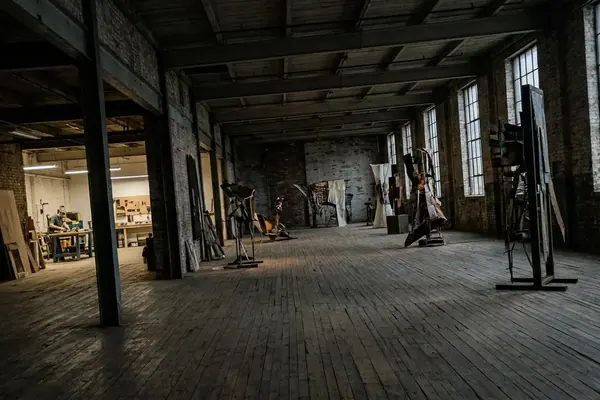
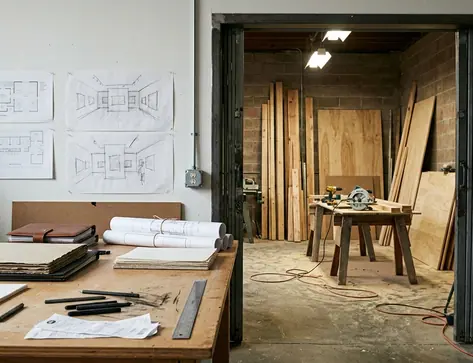
Winter exposes the limits of this system quickly. In an uninsulated Western New York warehouse, heating protects pipes as well as visitors and artworks. If that bill outpaces the adjoining studio’s canvas sales, a gallery can have a compelling spring program and still struggle to keep its doors usable through February. The relevant budget therefore starts with the recurring expenses that cannot wait, then sets aside money for exhibition materials.
The founders in this scenario first tried pooling sales from several artists. Each artist had a distinct production rhythm, while commercial rent arrived on one fixed deadline. Coordinating those rhythms became an administrative burden, so the space moved to a single-artist anchor model. That choice concentrated financial responsibility, but it also made the cash forecast intelligible: the directors could compare one studio’s sales history with the gallery’s known bills.
Small incubators in lean grant years often rely on such local timing. A late-autumn sales window can build reserves before winter heating costs and spring fabrication orders arrive. The gallery should still distinguish money already received from work merely expected to sell. A curator cannot order specialized audio equipment with a prospective buyer’s expression of interest.
Curatorial Firewalls and Community Obligations
Direct subsidy creates a visible ethical question: does the artist paying the bills gain the exhibition floor? In this case, the directors answered through a strict programming rule. The subsidizing artist’s commercial work stayed out of the main project space, which remained available to visiting experimental acts. The rule protected the gallery’s curatorial voice and gave collectors a clear account of what their purchases helped sustain.
That clarity matters in a city where audiences may move between exhibition venues, studios, and performances. A collector buying a canvas can understand that studio revenue helps keep a sound installation open without acquiring influence over the installation itself. The gallery can acknowledge that material relationship while leaving invitations, installation decisions, and critical interpretation with its curators. A sale should never function as an informal vote on the next show.
Separate Sales From Support
The paperwork reinforces the boundary. Studio buyers receive ordinary commercial bills of sale, rather than donation receipts for their purchases. The artist and gallery maintain separate bank accounts, and transfers into the gallery’s operating account are recorded as formal donations. These records let the gallery explain how private revenue reached the public floor without confusing a customer’s purchase with a charitable gift.
The model’s scale is also part of its ethics. It is suited to a lean, volunteer-driven sound art incubator whose overhead can be mapped against a studio’s sales. An institutional museum with unionized payroll and substantial endowment obligations operates on a different financial architecture. Keeping that distinction visible prevents a useful local arrangement from becoming an implausible prescription for every arts organization.
Structuring a Studio-to-Gallery Subsidy Blueprint
The working plan begins with a floor plan and a calendar, then moves to the ledger. Each document answers a different question: where does a transaction occur, when must cash be available, and how can the gallery trace its source? The following sequence keeps the commercial practice productive without letting it set the exhibition program.
Separate the Two Floors
Give the studio and gallery distinct entrances and utility meters. Mark where studio inventory is stored and where visiting artists install work. This physical division helps staff direct buyers to the commercial space while preserving the main project floor for exhibitions.
Route Each Transfer Clearly
Record a studio sale in the artist’s commercial accounts and issue the buyer a bill of sale. After the sale settles, transfer an agreed amount into the gallery’s separate operating account as a documented donation. Keep the purchase record and donation record distinct so a later review can follow the money without treating the buyer as the donor.
Match Sales Seasons to Exhibition Costs
List heating, utilities, and rent beside the material needs of planned installations. Compare that schedule with the artist’s historical sales pattern, then reserve received income for bills due before the next likely sales period. Place a complex audio installation in spring only after the gallery has set aside the funds to obtain its equipment and building materials.
Hold the Programming Boundary
Put the exclusion of the subsidizing artist’s commercial work from the main project space in the curatorial policy. Apply the same rule when a collector asks what the gallery will show next. Support can be acknowledged openly without turning a purchase into a programming request.
For a concrete spring installation, the directors begin in late autumn by listing the speakers, cable, and raw materials the visiting artist needs. They compare that list with settled studio sales and the winter heating schedule, then move only available proceeds into the gallery account as a recorded donation. The studio gives each canvas buyer a commercial bill of sale. With heating covered and the installation materials reserved, the gallery orders the equipment, keeps the artist’s canvases in the adjoining studio, and opens the public floor to the visiting sound work.